
Yorkist refugees in sanctuary during Henry VI’s 1470-71 readeption lived alongside the usual felons and debtors – including an apparent Lancastrian operative, working on war finances from within the sanctuary. A “travelling man” (in this case evidently meaning courier), Robert Byby, was assigned in December 1470 to convey some liquidated assets for the Lancastrian warContinue reading “Yorkist refugees and Lancastrian operatives in sanctuary”
Author Archives: shannonmcsheffrey
Edward IV and disdain for sanctuary

Edward IV was much less respectful of sanctuary than his rival Henry VI. Though by no means seeking to dismantle sanctuary altogether, he was in contemporary terms unprincipled in his disregard for the sacredness both of the refuge and of his own word. In this he followed the policy of his father, Richard duke ofContinue reading “Edward IV and disdain for sanctuary”
Lancastrian sanctuary at Beaulieu, 1471

First Yorkists on the run to sanctuary, then Lancastrians… Henry VI’s wife and son Queen Margaret and Prince Edward took a breather from the struggle with Edward IV at Beaulieu Abbey, touching base in a (deadly) game of tag before going back into the fray. Queen Margaret of Anjou and son Edward had arrived inContinue reading “Lancastrian sanctuary at Beaulieu, 1471”
Edward IV and the desecration of sanctuary at Tewkesbury
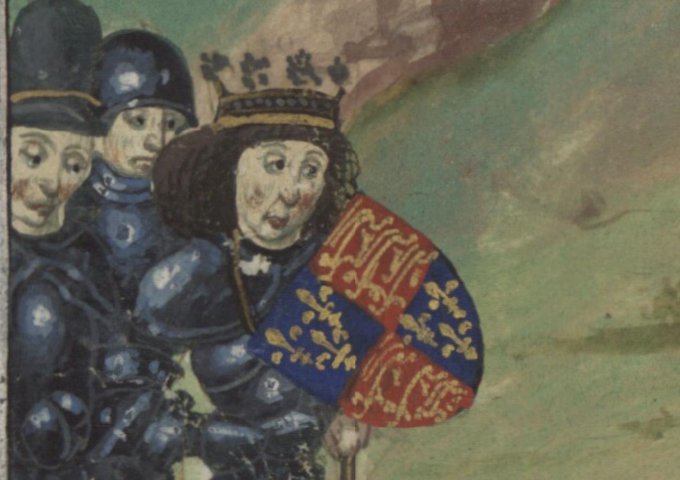
What to do, what to do, when you’re in a civil war and your enemies have flown to sanctuary? If you’re Henry VI, Richard III, or Henry VII, you let them stay because breaching sanctuary would destroy your moral standing, which you can’t afford. But if you’re Edward IV – not a man especially knownContinue reading “Edward IV and the desecration of sanctuary at Tewkesbury”
Anne Neville: widowed heiress in sanctuary

Following the Lancastrian defeats of April and May 1471, amongst those whose fortunes were in disarray was Anne Neville, daughter of Warwick the Kingmaker and widow of Prince Edward, both killed in battle. Co-heiress with her sister to the Warwick inheritance, Anne had been a much sought-after marital prize from childhood. She had originally beenContinue reading “Anne Neville: widowed heiress in sanctuary”
Margaret, countess of Oxford, at St Martin le Grand

Another woman stranded by the Lancastrian defeat was Margaret, countess of Oxford, whose husband, the earl John de Vere, had escaped to Scotland and then to France following the Lancastrian defeat in 1471. With her husband in exile, Countess Margaret went into sanctuary at St Martin le Grand. Without means of support, according to aContinue reading “Margaret, countess of Oxford, at St Martin le Grand”
Parishioners fight off a sanctuary breach
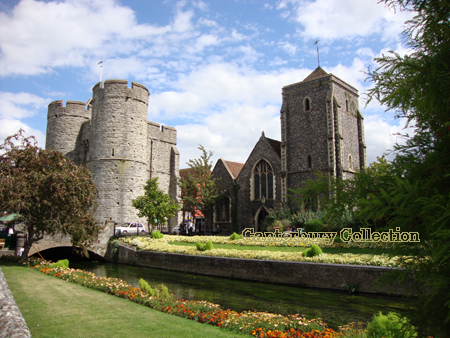
The realm returned to ordinary time, and ordinary people taking sanctuary, in 1472. Around then John Creymer of Canterbury was put into the town prison for several debt and trespass lawsuits. Creymer managed to escape from the prison and ran next door to the church of the Holy Cross at Westgate, “and there toke saintwaryeContinue reading “Parishioners fight off a sanctuary breach”
“Legit ut clericus”: Benefit of clergy

On the last day of December 1473 John Huchecock of Southwark, yeoman, took sanctuary in the parish church of St George in Southwark. He asked for a coroner to confess his crime. He told the coroner that in March 1470 at Fareham in Hampshire he had attacked an unknown man with a sword, beating andContinue reading ““Legit ut clericus”: Benefit of clergy”
Debtors in sanctuary and debt litigation: an odd twist

Here a debtor seeks sanctuary, with a couple of twists. In the mid-1470s, William Cowper of London complained to the chancellor about one William Chapman, “dwelling and abiding in sanctuary in Greenwich.” First of all, a curious twist in the complaint: usually Chancery plaintiffs were annoyed with defendant sanctuary men because they were in sanctuaryContinue reading “Debtors in sanctuary and debt litigation: an odd twist”
A sanctuary in Greenwich
In the 1460s or 1470s, a London leatherseller named Thomas Bygge ran to sanctuary in Greenwich because he owed £100 (a huge amount of money for a humble leatherseller) to John Hanmer, a London mercer. Hanmer complained to the Chancellor, reporting that he and one of his servants, William Umfray, had gone the previous weekContinue reading “A sanctuary in Greenwich”
 Sanctuary Seekers in England, 1394-1557