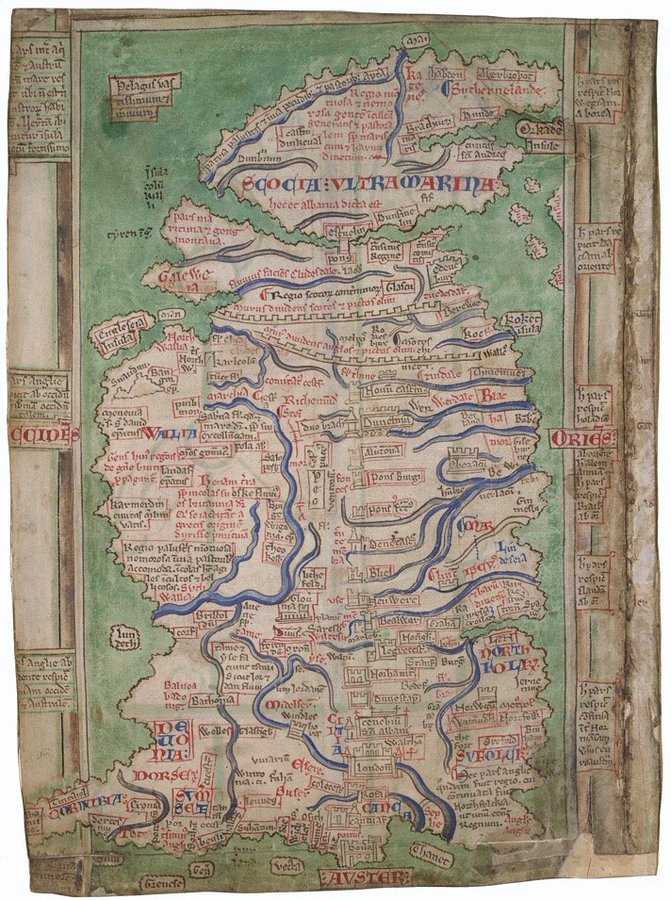
On 7 February 1485 Richard Perpound of “Chipstede,” Essex [there is a Chipstead in Surrey, but I can’t find one in Essex…?] sought sanctuary at Durham Cathedral. He confessed to the registrar that near Ipswich in the county of “Nothfolch,” he had stabbed gentleman Robert Hause on the arm with a wood knife. Ipswich isContinue reading “Sanctuary Seekers: The erroneous geography episode”
Author Archives: shannonmcsheffrey
A Dutch slayer flees to Westminster

On 9 November 1485, a coroner held an inquest over the body of John Spencer of Westminster. The jurors reported that Dedirick Blase alias Dirrik Barbara, yeoman also of Westminster, was responsible. The jurors said that Blase had lain in wait for Spencer and assaulted him with a sword, killing him. Taking his sword withContinue reading “A Dutch slayer flees to Westminster”
Sanctuary and Henry VII’s new regime: The story of Francis Lovell

Sanctuary offered both a useful rhetorical opportunity and a potential major headache for Henry VII’s new regime in 1485-86. Henry VII publicly supported sanctuary as royally-granted refuge from injustice and tyranny. It was one thing, however, to note with righteous indignation that your predecessor had been so terrible that everyone had to flee to theContinue reading “Sanctuary and Henry VII’s new regime: The story of Francis Lovell”
Henry VII and Humphrey Stafford
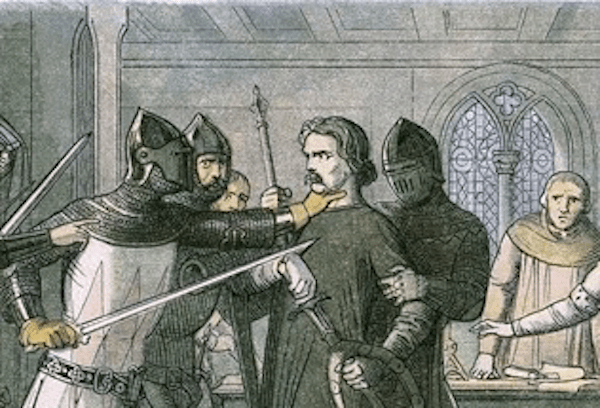
In 1485-86 Richard III loyalist Humphrey Stafford sought sanctuary twice as he continued to resist the new regime of Henry VII: the first time Henry VII left him unmolested, but at the second attempt he found a technicality that allowed him to be dragged out. Humphrey Stafford first sought sanctuary at St John’s Abbey inContinue reading “Henry VII and Humphrey Stafford”
A London goldsmith in trouble
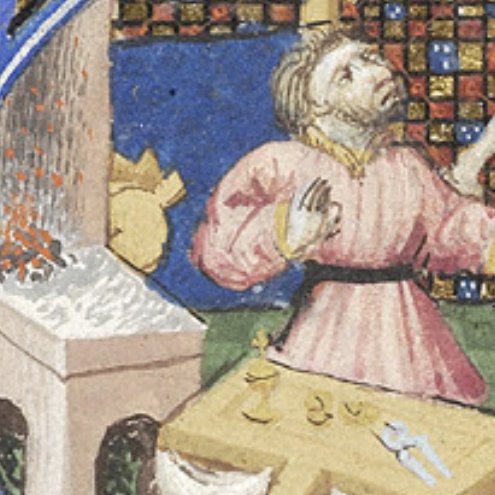
Robert Myndrym, a London goldsmith, had numerous problems from the mid-1480s into the early 1490s, and found two different recourses to sanctuary helpful. The first time around 1485 he went to Westminster for debt. As his wife Margery explained in a Chancery petition, she went to visit him “as a true wife ought to doContinue reading “A London goldsmith in trouble”
Abjurer found in the realm, 1486
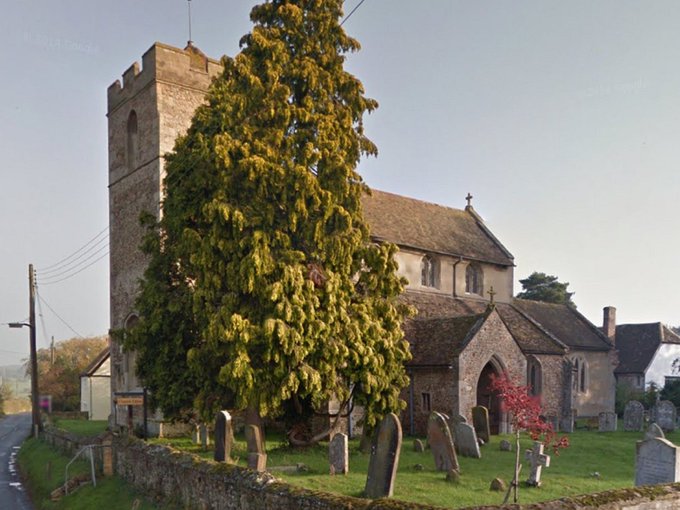
In July 1485 John Walworth, yeoman of Weston, Northants, assaulted Hugh Peke at Clifton in Nottinghamshire, killing him. Six months later, Walworth took asylum at the parish church of St. Andrew in Kingston, Cambridgeshire. Walworth abjured the realm, but by the fall of 1486 he had been found in London: probably he hoped the anonymityContinue reading “Abjurer found in the realm, 1486”
Murdering the parish priest

In 1486, a gentleman of the village of Wycliffe in county Durham, James Manfeeld, together with a number of other men, attacked the parish priest of Wycliffe, Roland Mebburn. Manfeeld struck Mebburn with a welsh bill – a very frightening agricultural tool/weapon -and killed him. A month later, on 25 February 1486, Manfeeld appeared atContinue reading “Murdering the parish priest”
A dead Welshman and aristocratic impunity

This case has a few complications, but has a number of features common to homicide indictments in the early Tudor period: a group of men set upon someone in what looks like an assassination; though the homicide took place in the London area those involved were from the Welsh marches and the victim had aContinue reading “A dead Welshman and aristocratic impunity”
Lying in wait in London, 1486

In February 1486, a coroner’s inquest was convened over the body of John Lowthe of London, gentleman, found dead in the parish of St Nicholas Olave. The jurors reported to the coroner that Nicholas Wagstaff, a yeoman of London, had lain in wait to assault Lowthe. He stabbed him with a dagger and Lowthe died.Continue reading “Lying in wait in London, 1486”
A Herefordshire murder

Thomas White, yeoman of Clehonger, Herefordshire, sought sanctuary in the church of All Hallows London Wall on 19 March 1486. He confessed to murder. White told the coroner that on 26 December 1482 he attacked John Corter, another yeoman of Clehonger, with a staff, killing him. White apparently got away with this for more thanContinue reading “A Herefordshire murder”
 Sanctuary Seekers in England, 1394-1557