
In 1506, two accused felons claimed sanctuary by touching the cloak of a Hospitaller knight rather than more conventionally running into a parish church or monastery. Richard Pulham (harpist from St Mary Hoo, Kent, indicted for homicide) and Ralph Toker (Somerset yeoman who’d previously abjured twice for multiple felonies but been caught in the realm)Continue reading “The Hospitaller’s cloak”
Author Archives: shannonmcsheffrey
Don’t mess with the Earl of Oxford

William Knok, yeoman of Faversham, was outlawed in Kent in 1503 after he failed to appear to answer an indictment for felony. He escaped detection for about three years, but then in May 1506 he was evidently rumbled. He ran into the Blackfriars church in London, but before he could abjure before a coroner heContinue reading “Don’t mess with the Earl of Oxford”
Sanctuary in dependent manors
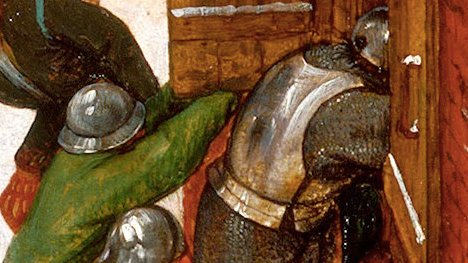
In 1506, a husbandman from Tottenham, Middlesex named Hugh Bradbury, along with an accomplice, broke into the house of widow Joan Iwardeby at Quainton, Bucks, and stole a number of goods. Afterwards Bradbury made his way to the manor of Hoddesdon, Herts, and there claimed the “sanctuary of St Martin.” Bradbury was one of aContinue reading “Sanctuary in dependent manors”
Murder with a twist
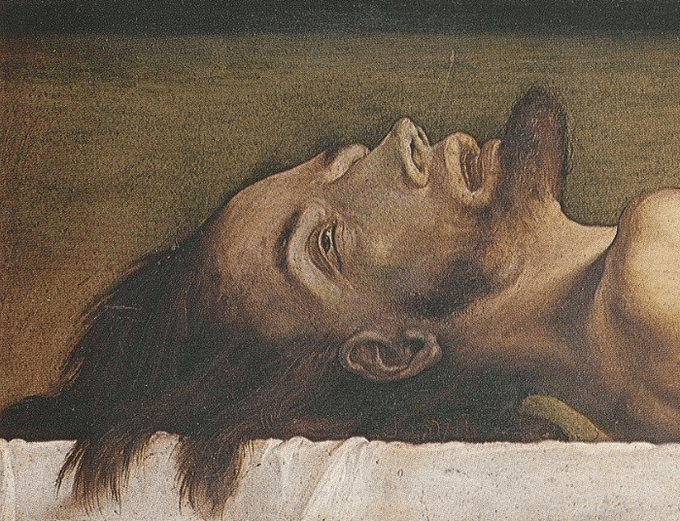
An interesting twist and a frustrating lack of conclusion in this case: In 1505 an inquest was held over the body of Edward ap Evan ap Tidder – called “of London, yeoman,” but presumably originally from Wales. The inquest jurors reported that in the parish of St Bride, Fleet Street, between 10 and 11 atContinue reading “Murder with a twist”
Violent seizures and righteous indignation

In 1506, Hugh Wenwryght, yeoman of Merton, Surrey, broke into the Augustinian priory at Merton and stole chalices and other plate. Later arraigned for burglary at Surrey gaol delivery, he pleaded sanctuary. Wenwryght claimed in court that he had taken sanctuary in the church of St Michael Cornhill in London, not only for that burglaryContinue reading “Violent seizures and righteous indignation”
The lamb rustler
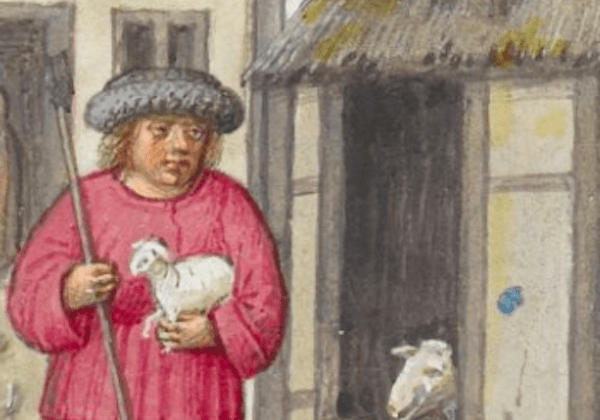
Another day, another Surrey gaol delivery. In 1507 Thomas Whytworth, yeoman of Southwark, was indicted for having stolen sixteen lambs from Thomas Webbe at Mitcham. Like many this decade, he pleaded sanctuary. He claimed that two weeks after this lamb-rustling, he’d taken sanctuary at St Mary Overey in Southwark, and sought a coroner so thatContinue reading “The lamb rustler”
Boat ride on the Thames

In May 1507 Robert Forde, husbandman of Brightwell manor in Berkshire, attacked chaplain John Scolfyld, stabbing him with a dagger. Scolfyld immediately died, and Forde ran to the priory at Wallingford. Wallingford priory was a small Benedictine house; it’s not clear how many monks it had, but it was amongst the smaller religious houses CardinalContinue reading “Boat ride on the Thames”
Finding a ship to go into exile

When a sanctuary seeker abjured the realm, they were sent to a port to go overseas. A weak link in the system was finding a ship captain willing to take the abjurer on board, as this seeker found. In July 1507, Simon Wigmore, a labourer of Winchester, took sanctuary at the parish church of HolyContinue reading “Finding a ship to go into exile”
Robbery in Knightsbridge

The canny felon in early 16th-century England could, if smart and lucky, avail himself of an array of different mitigations to escape the noose – sometimes cycling through them until he found one that worked, as this seeker did. At gaol delivery for Middlesex in May 1508, a Westminster yeoman named Thomas David ap HowellContinue reading “Robbery in Knightsbridge”
Sexual violence and vigilante justice
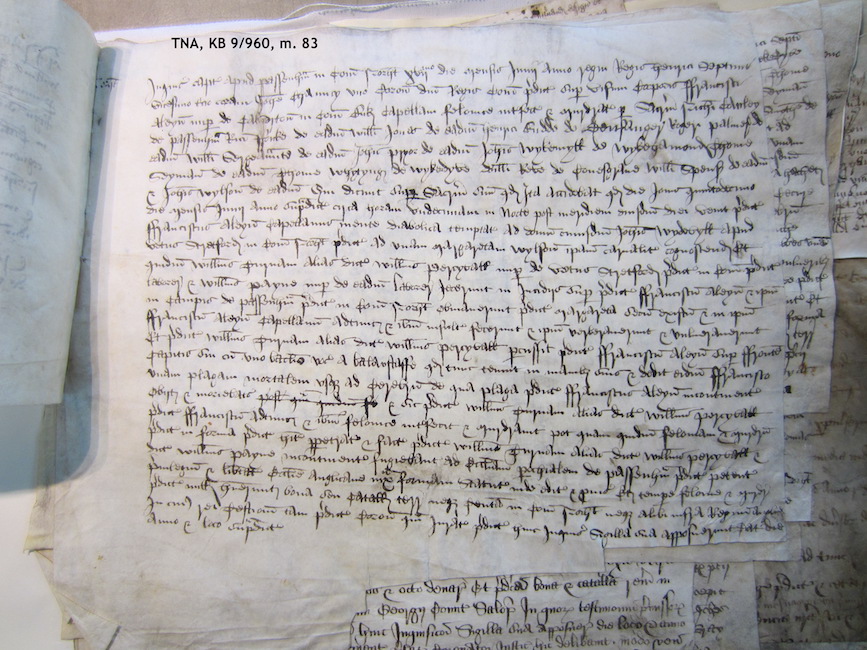
Late in Henry VII’s reign, sanctuary facilitated a victim’s vengeance on her rapist when the justice system itself would not likely have helped her. In 1508 jurors in Northamptonshire reported that Francis Aleyn, chaplain, “tempted by diabolical thoughts,” broke into John Wydevyll’s house at Old Stratford and raped Margaret Wylson. Following the assault, Wylson turnedContinue reading “Sexual violence and vigilante justice”
 Sanctuary Seekers in England, 1394-1557