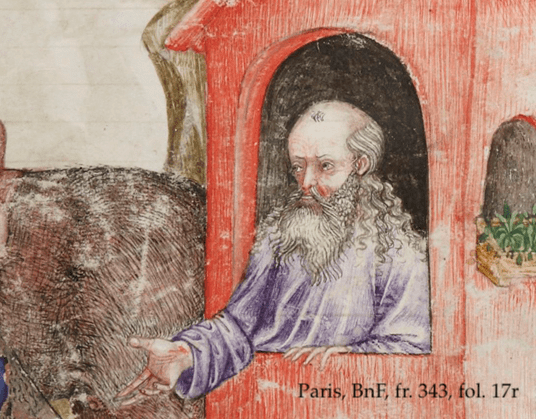
In 1537 London butcher George Isotson told a story in court about a long-ago sanctuary seeker at St Martin le Grand named Robert. Robert’s story stuck in Isotson’s mind because he later became a hermit. One day around 1508, Isotson said, Robert escaped from the Marshalsea prison and ran to the sanctuary of St MartinContinue reading “Robert the hermit”
Author Archives: shannonmcsheffrey
The Stavertons, long-term Westminster sanctuary dwellers
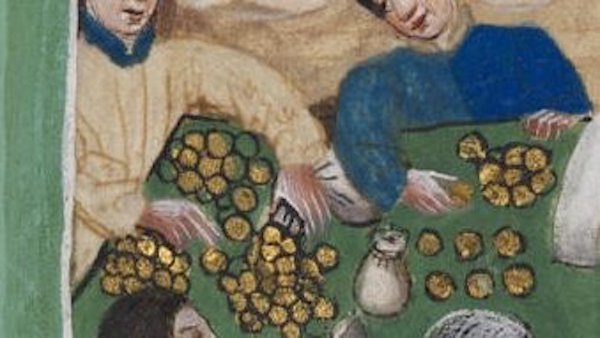
Most of the sanctuary seekers I’ve been featuring have been felons and traitors, but through the early 16th century debtors continued to seek sanctuary, too. One example is William Staverton, a London grocer. Kit French has written an article about William’s wife Katherine Staverton, the source of much of what I say below! Staverton tookContinue reading “The Stavertons, long-term Westminster sanctuary dwellers”
“Once belonging to the knights of the Temple”
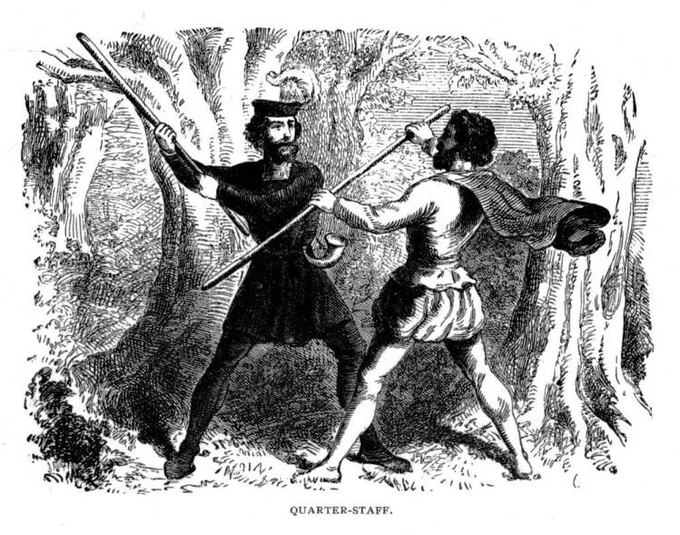
In 1510, husbandman Andrew Hardewyn of Orton Longueville, Huntingdnshire, killed two men by hitting them on the head with a staff. When he appeared before Huntingdonshire gaol delivery Hardweyn pleaded sanctuary and his case went up to King’s Bench: he claimed that he had taken asylum in a messuage (property) once belonging to the TemplarContinue reading ““Once belonging to the knights of the Temple””
The “Blessed” Adrian Fortescue, violent thug and sanctuary seeker

Sir Adrian Fortescue was amongst a number of aristocrats in Henry VIII’s reign who took advantage of sanctuary to get out of sticky situations. This is one episode in a lifetime of falling in and out of trouble, balanced several centuries later, perhaps, by a (rather questionable) beatification as a Catholic martyr. At 17 Fortescue’sContinue reading “The “Blessed” Adrian Fortescue, violent thug and sanctuary seeker”
Sanctuary in a “Templar messuage” in Gloucester

Another sanctuary claim in a Hospitaller property inherited from the Templars in the fourteenth century: in July 1510, Thomas Jones, yeoman of London, and William Morsate, salter of Wells, took sanctuary at Gloucester in “a messuage of the Templars” held by the Hospitaller prior. The cases of Jones and Morsate differed from others who wereContinue reading “Sanctuary in a “Templar messuage” in Gloucester”
Child abduction and unmentionable crimes
In November 1510 a number of men abducted Richard Horsley from his mother’s house in Catton, Yorks, took him to a field, and gave him “several wounds from which blood flowed.” A month later Richard died from those wounds. The laconic records of his case suggest something horrific – even more horrific than the usualContinue reading “Child abduction and unmentionable crimes”
One Gye, or two?

There were two separate claims of sanctuary at Durham by men named Thomas Gye of Wistow, Yorkshire, in 1510 and 1511, one for homicide, the other for cattle theft. The same man? In October 1510 Thomas Gye came to Durham and confessed that earlier that month at Womersley, Yorks, he’d struck William Pynchebek in theContinue reading “One Gye, or two?”
Killing by “chance medley” in Hereford, 1511
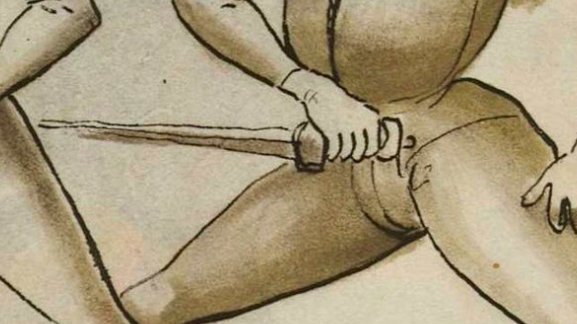
An inquest was convened over the body of gentleman Henry Baskirville of Hereford on 1 September 1511. Jurors held he’d been killed two days before in a knife fight with Roger Lloide, also gentleman of Hereford. The jurors used a term for the killing that was quite new then (earlier than the OED‘s first usage):Continue reading “Killing by “chance medley” in Hereford, 1511″
The Raynsfords and their local sanctuary: aristocratic criminality, Tudor-style
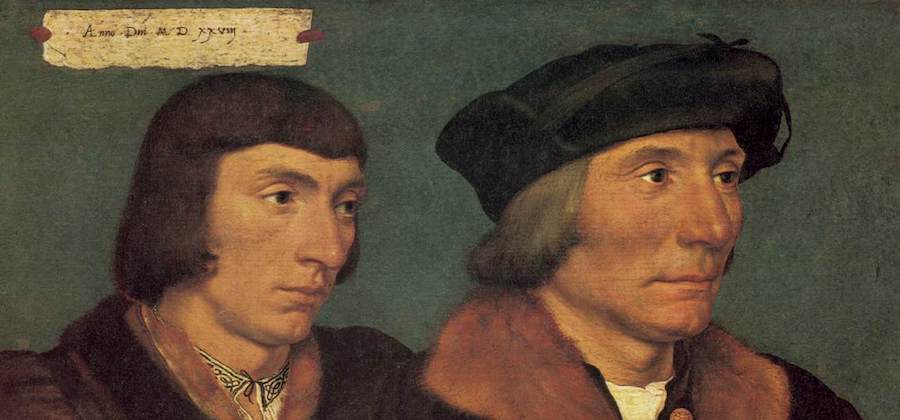
The Raynsfords, an important Essex gentry family, patronized St John’s abbey in Colchester; this was in itself unremarkable, as pious gentlefolk often donated to their favourite local monastery. The monks of St John’s offered the Raynsfords more than prayers for departed ancestors, however: they also provided asylum when the Raynsfords themselves and their retainers committedContinue reading “The Raynsfords and their local sanctuary: aristocratic criminality, Tudor-style”
“Peine forte et dure” in London, 1512

At Newgate gaol delivery in late January 1512, Robert Williamson, a London tailor, was charged with stealing 20s 5d worth of goods from yeoman Thomas Newman a few weeks before. Williamson pleaded sanctuary, though not in the usual way. His plea was, in fact, so unconventional that the justices ordered him to be tortured inContinue reading ““Peine forte et dure” in London, 1512″
 Sanctuary Seekers in England, 1394-1557