
When a sanctuary seeker abjured the realm, they were sent to a port to go overseas. A weak link in the system was finding a ship captain willing to take the abjurer on board, as this seeker found. In July 1507, Simon Wigmore, a labourer of Winchester, took sanctuary at the parish church of HolyContinue reading “Finding a ship to go into exile”
Tag Archives: Abjuration
Sexual violence and vigilante justice
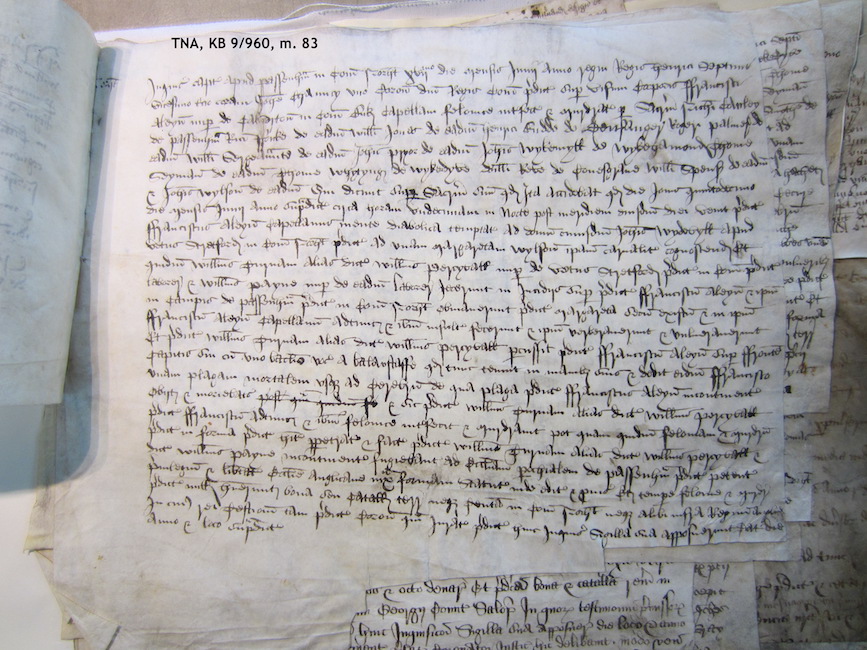
Late in Henry VII’s reign, sanctuary facilitated a victim’s vengeance on her rapist when the justice system itself would not likely have helped her. In 1508 jurors in Northamptonshire reported that Francis Aleyn, chaplain, “tempted by diabolical thoughts,” broke into John Wydevyll’s house at Old Stratford and raped Margaret Wylson. Following the assault, Wylson turnedContinue reading “Sexual violence and vigilante justice”
Sanctuary in a “Templar messuage” in Gloucester

Another sanctuary claim in a Hospitaller property inherited from the Templars in the fourteenth century: in July 1510, Thomas Jones, yeoman of London, and William Morsate, salter of Wells, took sanctuary at Gloucester in “a messuage of the Templars” held by the Hospitaller prior. The cases of Jones and Morsate differed from others who wereContinue reading “Sanctuary in a “Templar messuage” in Gloucester”
The Raynsfords and their local sanctuary: aristocratic criminality, Tudor-style
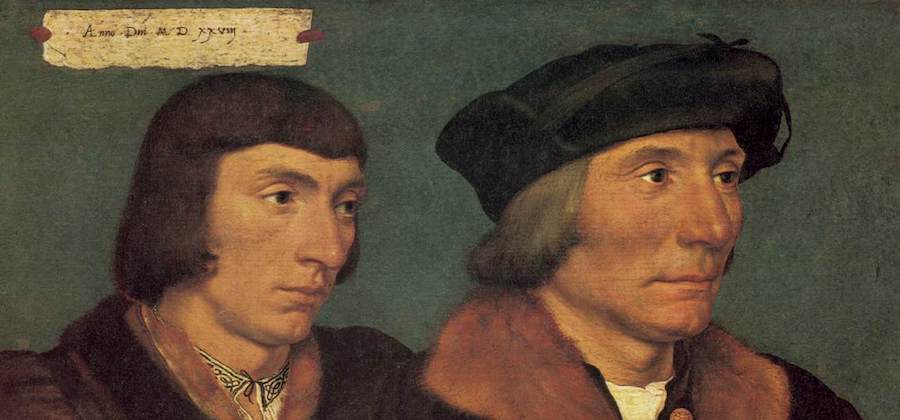
The Raynsfords, an important Essex gentry family, patronized St John’s abbey in Colchester; this was in itself unremarkable, as pious gentlefolk often donated to their favourite local monastery. The monks of St John’s offered the Raynsfords more than prayers for departed ancestors, however: they also provided asylum when the Raynsfords themselves and their retainers committedContinue reading “The Raynsfords and their local sanctuary: aristocratic criminality, Tudor-style”
Monk on the run
In 1512 George Akeryg, a “monastic oblate” (novice monk) of St Mary’s abbey, Merevale, Warwickshire, sought sanctuary at St Leonard’s Hospital in York. He evidently wasn’t happy about his religious vocation. Akeryg, on the run from his abbey, ended up in the city of York. He went to St Mary’s abbey, where he stole aContinue reading “Monk on the run”
An abjurer’s story

Abjurers making their way into exile often encountered problems and sometimes they came back into court to tell quite a story about their tribulations. Such was the case with Richard Bery, carpenter of Sittingbourne, Kent, who took sanctuary in 1512 at the parish church in Kidbrooke. He confessed to theft and swore to leave theContinue reading “An abjurer’s story”
Hitting for the cycle: sanctuary, benefit of clergy, pardon

Here, another felon cycling through the three major forms of mitigation available to accused criminals in England circa 1500. Though hardly unpunished, George Courtenay of Hampshire was able to avoid the noose and after twenty years walked free. Courtenay, called in different records gentleman or merchant of Romsey, Hampshire, took sanctuary in 1514 in Caistor,Continue reading “Hitting for the cycle: sanctuary, benefit of clergy, pardon”
“The white hare should drive the white greyhound into the root of an oak”: Prophecies and mitigations

Thomas Cheselet was an operator who knew his way around mitigations – and a dab hand at treasonous prophecies. The tale starts in 1519 when Cheselet, a tailor of Mere, Wiltshire, took sanctuary at the Dominican priory at Fisherton Anger. He asked for the coroner, confessing to him that earlier that year he had stolenContinue reading ““The white hare should drive the white greyhound into the root of an oak”: Prophecies and mitigations”
Sanctuary and the career criminal
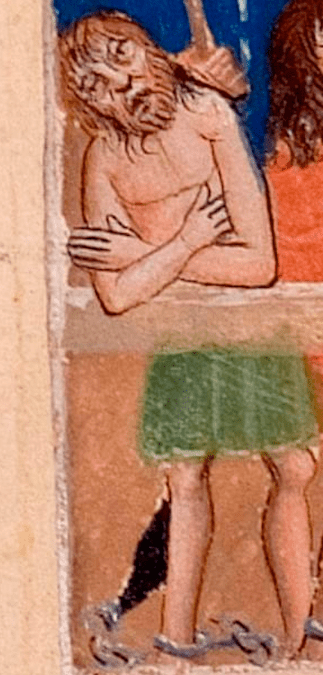
Some criminals wandered around the country committing felony after felony without getting caught, until finally one day it all caught up with them. One such criminal was Robert Blake, shoemaker of Bishop’s Waltham, Hants, who after fifteen years of crime finally had to take sanctuary in 1520 at his own parish church. He confessed toContinue reading “Sanctuary and the career criminal”
Refusal to surrender: An abjurer in Cambridgeshire
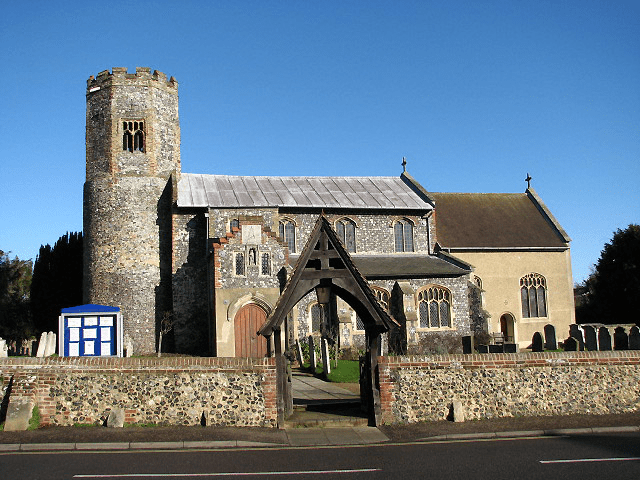
A twist on what looks like an ordinary enough sanctuary-taking at a parish church in Norfolk. In 1522, Giles Bryggeman, a brewer of Chippenham, Cambridgeshire, took the parish church of Catton. A week later, the coroner came – and here’s where things diverge from the normal pattern: the coroner’s memorandum says that the coroner stoodContinue reading “Refusal to surrender: An abjurer in Cambridgeshire”
 Sanctuary Seekers in England, 1394-1557