
A rare woman sanctuary seeker, an alleged husband-murderer no less: in July 1503, a coroner’s inquest over the body of Richard Bery at Sevenoaks, Kent, ruled that he had been murdered by his wife Agnes. The jurors reported that Agnes had administered ratsbane (arsenic) to her husband in his food and drink (though nothing inContinue reading “Arsenic and old lace”
Tag Archives: Acquittal
Accusations and reversals

When an accused criminal was indicted in an English court, the indictment reads as established fact, an account of something that actually happened. We need to exercise skepticism, though: it was not always so. In 1529, a London tailor named Henry Hawes was found dead in the parish of St Boltulph Aldersgate and a coroner’sContinue reading “Accusations and reversals”
Off on a technicality

Something a bit funny happened with this case. A man committed murder but got off on a completely fictitious technicality. (He also took sanctuary, though that’s probably incidental to the fixing of his case.) In March 1541, Robert Whitfield, yeoman of Southwark, assaulted and killed another yeoman, Nicholas Grene of London. Afterwards, Whitfield fled toContinue reading “Off on a technicality”
Just like the old days
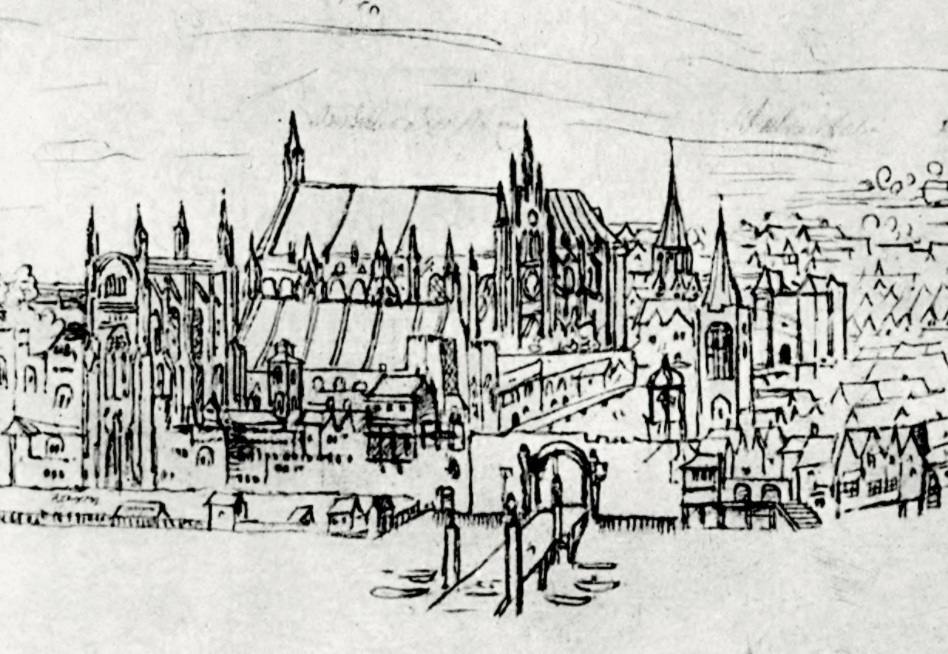
In Mary’s reign, something like the traditional privilege was exercised again at Westminster Abbey. The historian who’s written about this, David Loades, argues (sensibly) that this was a strategic demonstration of the abbey’s rights and immunities. So we see a few cases of debtors and a few accused of homicide in Westminster. There are aContinue reading “Just like the old days”
 Sanctuary Seekers in England, 1394-1557