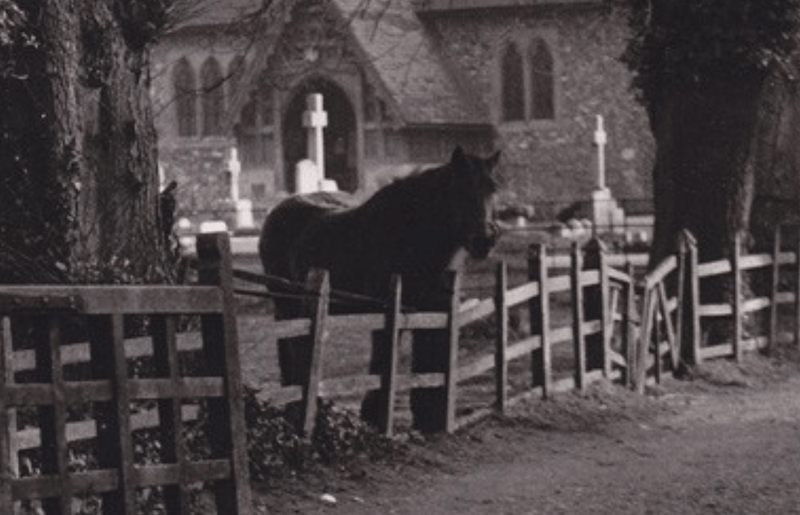
In January 1516, three highway robbers, Robert Dodde, Richard Couper, and Thomas Horneclyff (all described as yeomen of London), attacked two men at Bagshot, Surrey. Following the robbery, the felons fled to the church of St Mary le Strand with the stolen goods, including a horse (presumably left in the churchyard). Their case excited aContinue reading “Highway robbers in the Strand church”
Tag Archives: Sanctuary breach
Asylum at the Bristol Temple Fee

In 1516 three Bristol men (John White; John Johnson; and Edward Fowler) were indicted for a murder in the Kingswood forest outside Bristol, bringing up another problematic sanctuary case. When brought before King’s Bench weeks later, they pleaded sanctuary, claiming that they had taken asylum at the Temple Fee in Bristol, a property originally belongingContinue reading “Asylum at the Bristol Temple Fee”
The Savage case and sanctuary in the 1510s

The case of John Savage is one of the most famous of English sanctuary cases, about which some of the most influential scholarship on the subject has been written. I would argue, however, that the Savage case has been misinterpreted and its significance overstated. Nonetheless it reveals a lot about what was happening with sanctuaryContinue reading “The Savage case and sanctuary in the 1510s”
Davy Jones, sanctuary seeker
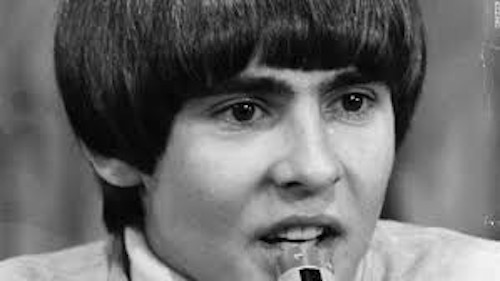
Here is another Bristol Temple Fee sanctuary seeker and another difficult 1510s sanctuary case. In November 1517, David Jonys, yeoman of Bristol (who no doubt looked something like the man above…) sought sanctuary for burglary and horse theft. At gaol delivery at Bristol a month later, Jonys pleaded sanctuary, claiming that he had been forciblyContinue reading “Davy Jones, sanctuary seeker”
Den of thieves

A potent criticism of sanctuary in the precincts of religious houses was that those precincts became dens of thieves. Though no doubt exaggerated as a general characterization of sanctuary precincts, it was true in some cases. Here are some who seem to have made Westminster Abbey their base for further crime. In Oct 1520, fourContinue reading “Den of thieves”
State visits, royal largesse, and exclusions from mercy

In May 1522, Emperor Charles V visited England. State visits are always an opportunity to showcase the ruler’s brand both domestically and internationally, and the emperor’s stay in England prompted a lavish series of pageants and demonstrations of regal power. As the Emperor Charles and Henry VIII ceremonially processed through the streets on the southContinue reading “State visits, royal largesse, and exclusions from mercy”
Seizing William Gilbank

Sometimes men of power really wanted a felon who’d fled to sanctuary – but seizing them from a church was a serious sacrilege. A 1526 letter to Cardinal Wolsey gives rare insight into the calculations in such a situation. In August 1526, felon William Gilbank took sanctuary at the house of the Crouched or CrutchedContinue reading “Seizing William Gilbank”
Drinking at the Sanctuary Parlour

If you took sanctuary at St Martin le Grand in London, you had to be careful about the boundaries: in many places they were invisible lines running down the middle of a street or between buildings. One step over, and you could be arrested. In the 1520s Londoners disagreed about the sanctuary status of aContinue reading “Drinking at the Sanctuary Parlour”
Bull and Roo: Affirmation of sanctuary at King’s Bench
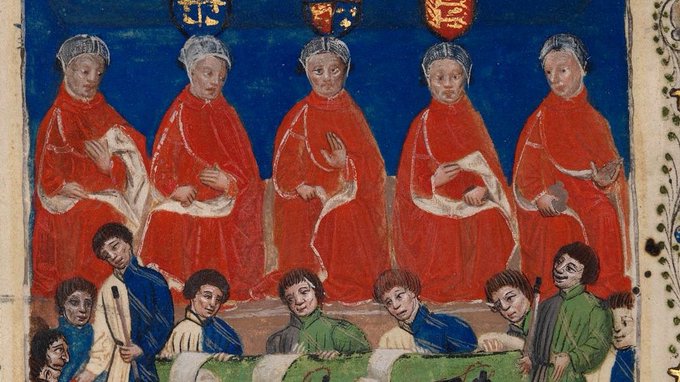
Two burglars manipulated sanctuary in the early 1530s and the result was something of a surprise: the justices at King’s Bench affirmed the right of felons to take sanctuary – even when they were trying to cheat the system. In May 1530, Maurice Bull & Nicholas Roo, both yeomen of Westminster, appeared before the courtContinue reading “Bull and Roo: Affirmation of sanctuary at King’s Bench”
Hugh Harvey and the sanctuary town of Knowle
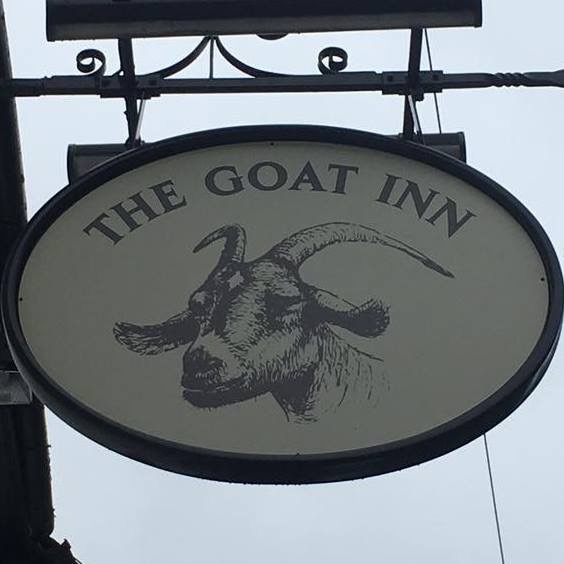
Hugh Harvey worked as a servant at The Goat Inn on the Strand near London. One day in 1537 he robbed a guest, royal chaplain Dr Richard Croke, of a bag of money and then scampered off to sanctuary. Rather than running to nearby Westminster Abbey, though, Harvey made his way westward towards Warwickshire, whichContinue reading “Hugh Harvey and the sanctuary town of Knowle”
 Sanctuary Seekers in England, 1394-1557