In 1504, two felons took sanctuary at St Mary Overey in Southwark. Two constables, John Rogerson and John Laurence (both with day jobs, as tailor and cooper), duly called the coroner so the felons could abjure. The next day, the constables brought the coroner, but the two felons – John Sampyre, yeoman of Shrewsbury, andContinue reading “Scheming to escape”
Tag Archives: Taking church without abjuring
Murder with a twist
An interesting twist and a frustrating lack of conclusion in this case: In 1505 an inquest was held over the body of Edward ap Evan ap Tidder – called “of London, yeoman,” but presumably originally from Wales. The inquest jurors reported that in the parish of St Bride, Fleet Street, between 10 and 11 atContinue reading “Murder with a twist”
Killing by “chance medley” in Hereford, 1511
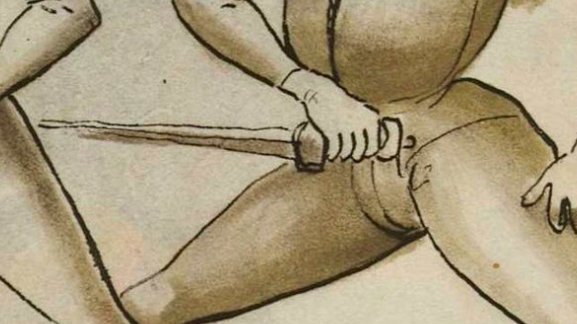
An inquest was convened over the body of gentleman Henry Baskirville of Hereford on 1 September 1511. Jurors held he’d been killed two days before in a knife fight with Roger Lloide, also gentleman of Hereford. The jurors used a term for the killing that was quite new then (earlier than the OED‘s first usage):Continue reading “Killing by “chance medley” in Hereford, 1511″
“Peine forte et dure” in London, 1512

At Newgate gaol delivery in late January 1512, Robert Williamson, a London tailor, was charged with stealing 20s 5d worth of goods from yeoman Thomas Newman a few weeks before. Williamson pleaded sanctuary, though not in the usual way. His plea was, in fact, so unconventional that the justices ordered him to be tortured inContinue reading ““Peine forte et dure” in London, 1512″
Prison fight

In 1515 a coroner’s inquest at the Marshalsea prison for prisoner Robert Croke found another prisoner, Thomas Tyler, had killed Croke in a knife fight. Tyler came before the justices at King’s Bench on Croke’s homicide two years later (which seems a long delay). At trial, Tyler – rather oddly – pleaded sanctuary, not becauseContinue reading “Prison fight”
Murderer in priest’s clothing

In 1516 John Bewesbury, a shoemaker of Maidstone in Kent, assaulted John Hudson, also of Maidstone. Stabbing him with the usual knife, Bewesbury gave Hudson a wound from which he died several weeks later. Bewesbury fled to the collegiate church of All Saints in Maidstone to claim sanctuary. He later escaped, the inquest jurors reported,Continue reading “Murderer in priest’s clothing”
Highway robbers in the Strand church
In January 1516, three highway robbers, Robert Dodde, Richard Couper, and Thomas Horneclyff (all described as yeomen of London), attacked two men at Bagshot, Surrey. Following the robbery, the felons fled to the church of St Mary le Strand with the stolen goods, including a horse (presumably left in the churchyard). Their case excited aContinue reading “Highway robbers in the Strand church”
Cornered in the York Minster churchyard
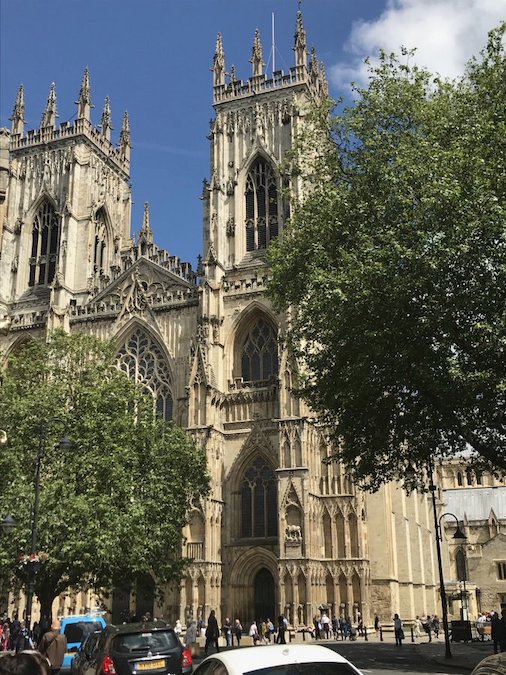
In mid-April 1518 at five in the afternoon, William Stokall of York attacked William Rygg alias Scaff, a yeoman also of York, in the churchyard of York Minster. In order to defend himself, Rygg struck back, killing Stokall. In describing the circumstances of the killing, the coroner’s inquest gave the standard self-defence narrative of beingContinue reading “Cornered in the York Minster churchyard”
Two sides to a story

In late August 1524, two husbandmen of Worth in Kent quarrelled, and one ended up dead. Two different versions of this homicide were presented in court when the case came up for trial: one laying guilt on the perpetrator, the other on the victim. When a coroner’s inquest was convened over the body of EdwardContinue reading “Two sides to a story”
 Sanctuary Seekers in England, 1394-1557